From Carbon Neutral to Climate Positive
A living-lab initiative is turning campus buildings, transit, and green space into a model for measurable climate action.
Dr. Elena Rodriguez
Director, Center for Climate Systems
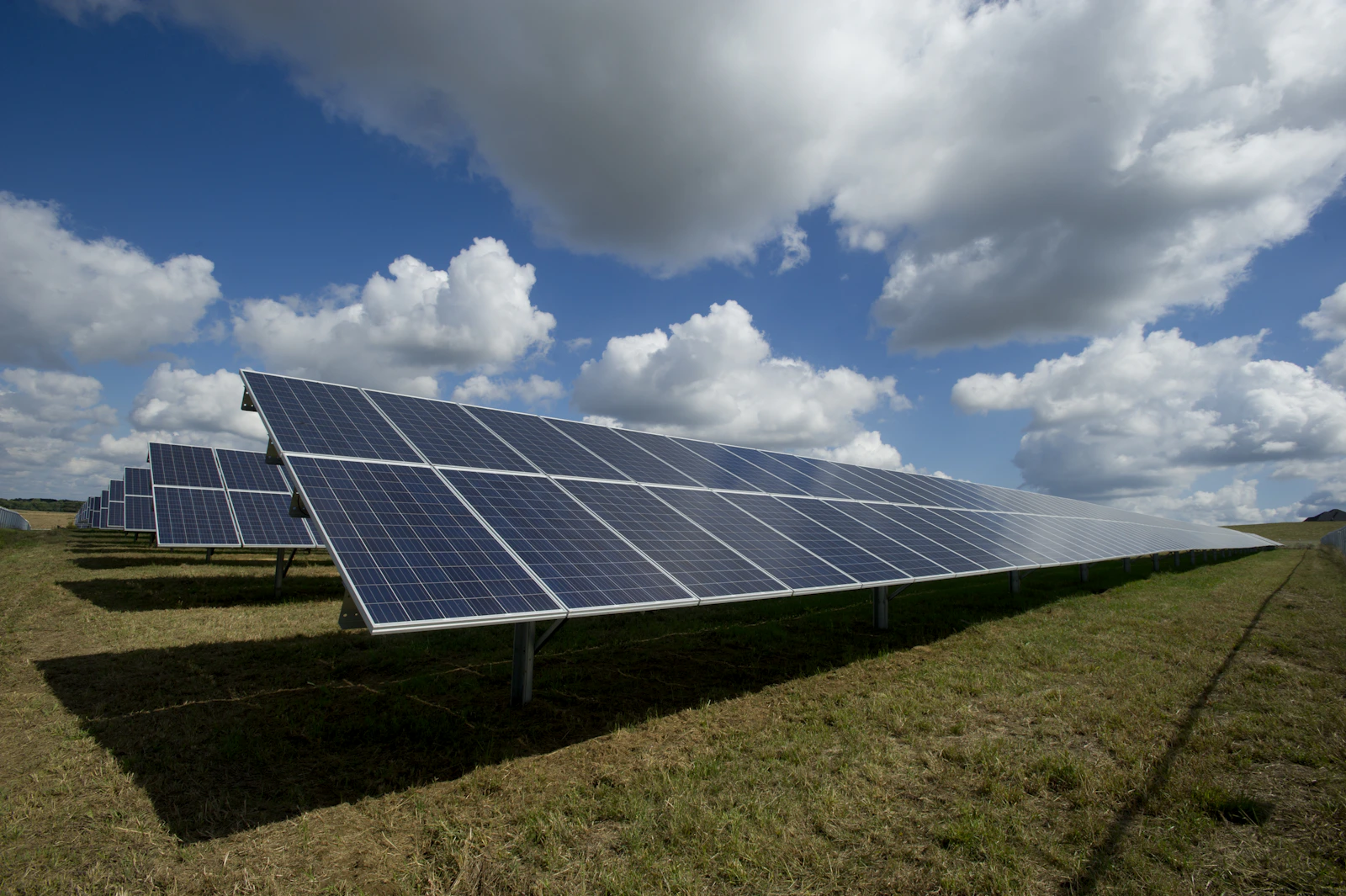
A campus-sized laboratory
Summit researchers are treating the university's 240-acre campus as an interconnected climate system. Energy use, transportation, water, food, and biodiversity are measured together rather than managed as separate projects.
The approach gives students access to real operational data while facilities teams gain better tools for deciding which investments deliver the largest emissions reductions.
“A campus can be more than a place where climate solutions are studied. It can be where they are proven.”
Designing for measurable impact
This year, interdisciplinary teams are testing thermal storage in residence halls, mapping urban heat at street level, and studying how native plantings affect both stormwater and pollinator health.
Every pilot includes a public dashboard and a replicable implementation guide, allowing schools, cities, and nonprofit partners to adapt what works.
- Hourly building-energy data from 42 campus facilities
- A student-run electric shuttle pilot serving three transit hubs
- Seven acres of new native habitat and rain gardens
Learning across disciplines
The initiative brings together engineers, economists, ecologists, designers, and policy students. First-year seminars analyze behavior change, while graduate studios model long-term infrastructure choices.
That range matters because climate progress depends on technical performance, public trust, affordability, and a clear path from prototype to adoption.
Continue reading
More from Summit

Teaching AI Without Losing the Human Question
Faculty across computing, philosophy, writing, and medicine are building a shared framework for responsible AI learning.

Belonging From Day One: The First-Generation Network
Peer mentors and alumni are making the unwritten rules of college visible, practical, and easier to navigate.

Small Robots, Big Questions Beneath the Coast
A new fleet of autonomous underwater vehicles is helping researchers see how coastal ecosystems change in real time.