1912
A college built for a growing city
Summit opens with 87 students and a commitment to practical education grounded in the liberal arts.
About Summit
Since 1912, Summit has brought rigorous learning and public purpose together in Boston. We prepare people not only for their first opportunity, but for a lifetime of meaningful contribution.

Our purpose
Expand knowledge. Widen opportunity. Strengthen the public good.
8,400
students
50,000+
alumni worldwide
68
countries represented
12:1
student-faculty ratio
Our mission
We believe exceptional education should create agency: the capacity to understand the world and the confidence to improve it.
Summit is a place where a first-year student can join a lab, an engineer can study ethics, and a historian can collaborate with a data scientist. We organize around questions rather than academic walls.
That spirit extends beyond campus through enduring partnerships with schools, hospitals, cultural organizations, companies, and civic leaders throughout Greater Boston.
Our story
Summit has evolved with its city while holding to a consistent idea: knowledge should open doors and solve real problems.
1912
Summit opens with 87 students and a commitment to practical education grounded in the liberal arts.
1958
The university establishes its first interdisciplinary institutes in urban planning, public health, and materials science.
1994
New global partnerships and community-based programs make Boston and the world part of the classroom.
Today
Six schools bring teaching, research, design, and public engagement together around urgent questions.

Research culture
Climate resilience needs engineering and public policy. Trustworthy AI needs computing and philosophy. Health equity needs data and community expertise. Summit's institutes are designed for that kind of collaboration.
Climate and resilient systems
Human-centered technology
Health and community
Cities and public life
What guides us
These commitments shape how we learn together, conduct research, and work with our neighbors.
Ask difficult questions, follow evidence, and remain open to changing your mind.
Use knowledge with care for the people and communities affected by it.
Seek out differences in experience and discipline because better ideas need more than one view.
Make decisions transparently, acknowledge uncertainty, and be accountable for results.
Boston campus
Our walkable campus sits between Boston's health, technology, arts, and civic corridors. Class can lead to a museum archive, a biotech lab, a neighborhood meeting, or the river trail.
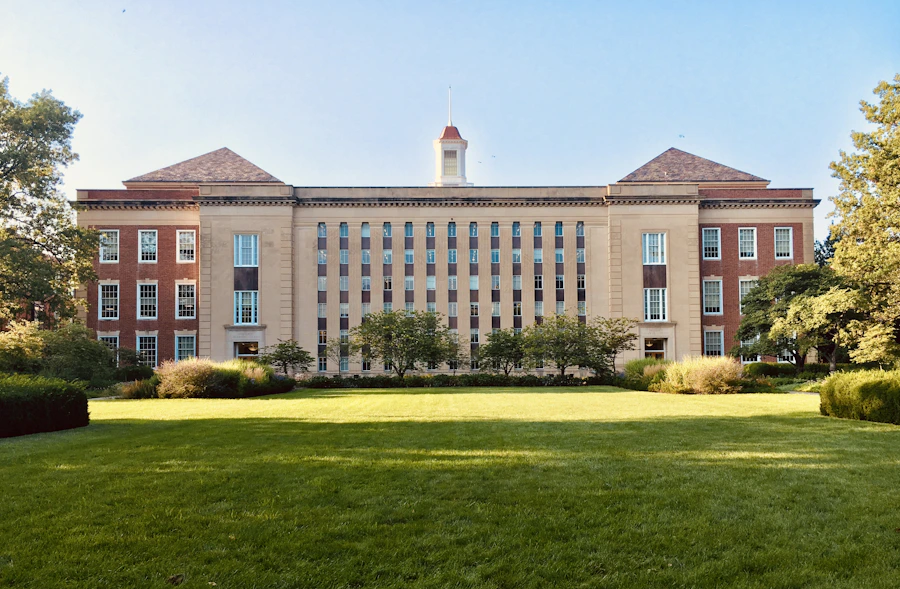
The campus itself combines historic brick halls with flexible studios, green courtyards, and new low-carbon research spaces.
Plan your visit